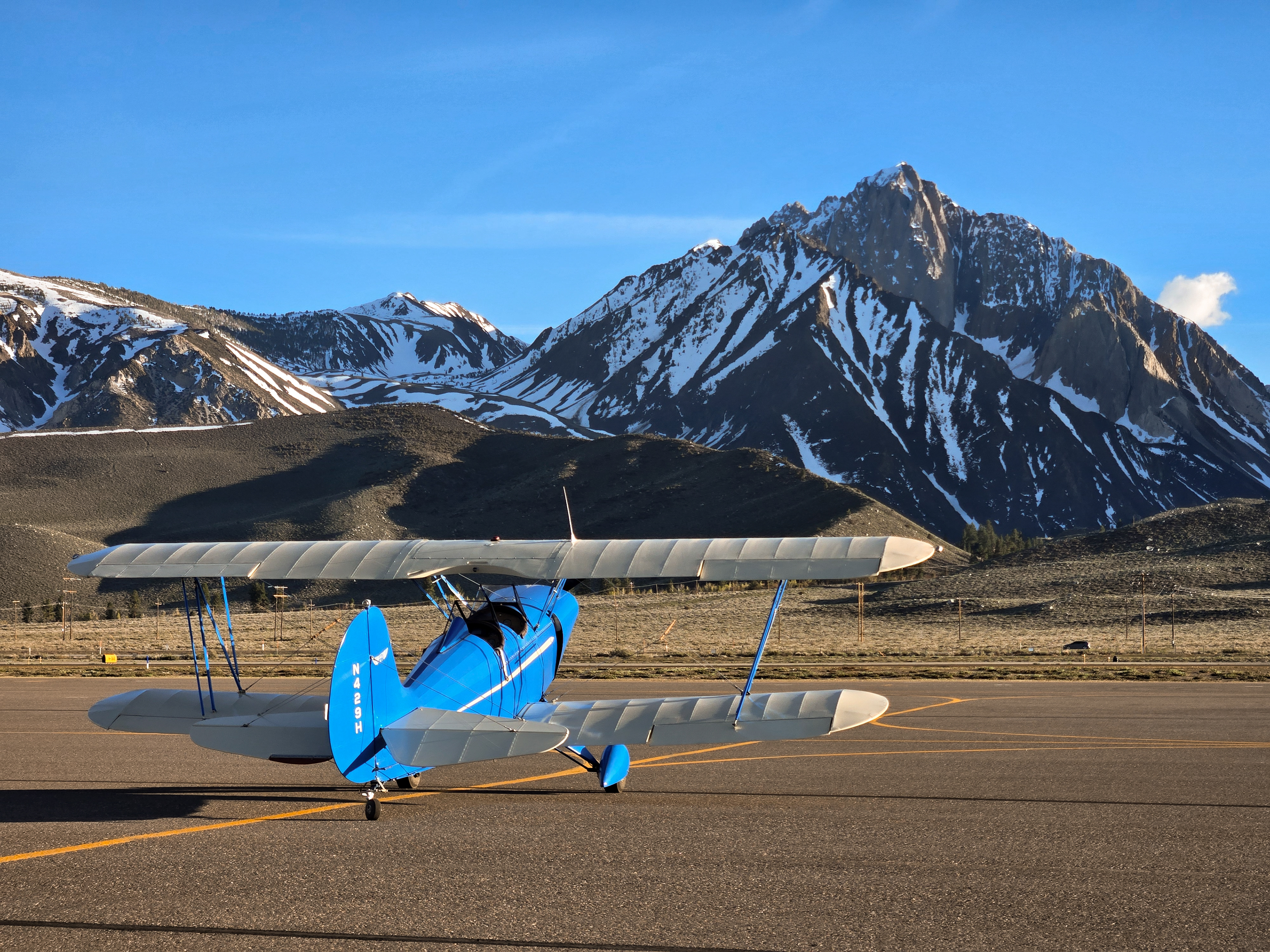
Late last year, my Kitfox was heavily damaged by a local flight instructor who flipped us over the nose on landing, leaving me without an airplane until it gets fixed or replaced. In the downtime, I started looking at the possibility getting a J3 or similar and almost bought a half share in one, but that deal fell through. This got me thinking about what other planes I might be interested in.
Outside of my own personal flying, I am a volunteer mechanic and pilot at a local World War 1 museum. I’m incredibly lucky to be able to fly our old biplanes and display them to the public. They’re pure magic in the air, but they’re solo machines. The thought kept coming back:
Wouldn't it be amazing to truly share a taste of flying in these early aeroplanes?
I began researching affordable two-place biplanes and the Hatz biplane quickly rose to the top of the list with it's reported great handling and looks that give a nod to the vintage Wacos. After some searching and talking to various owners, I connected with Ron in California. He had built his Hatz CB-1 over several years and finished it in 2004. Recently, he’d been thinking about passing it on to a new caretaker. After several weeks of chatting about our mutual love of airplanes, he made me an offer I couldn’t refuse.
A week later, I was on a one-way flight to California with nothing but a tiny backpack of bare essentials. My mission: fly his Hatz home to Colorado.
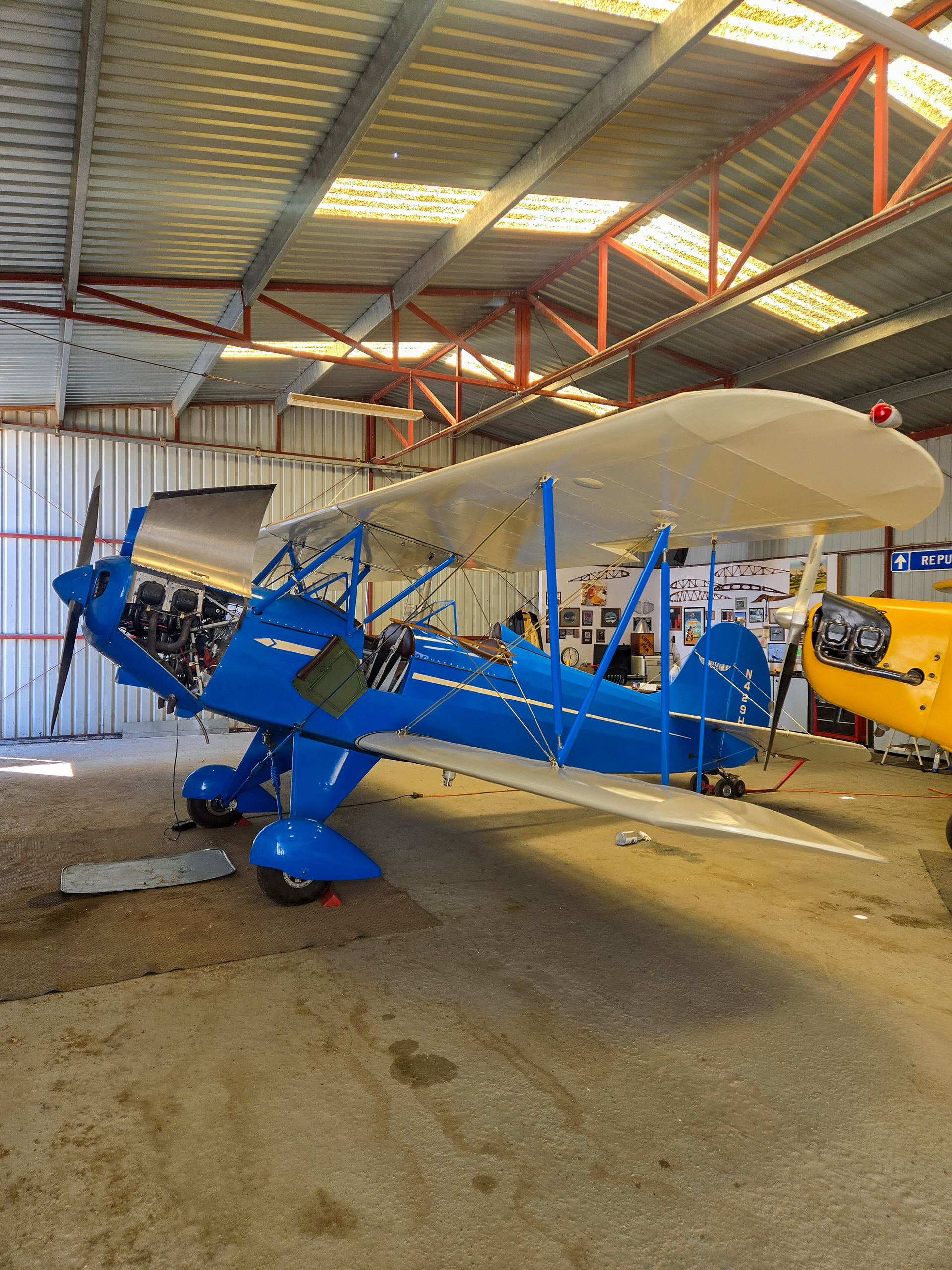
When I arrived, I spent the afternoon inspecting the aircraft and discussing it with my mechanic mentor back home. Having not flown or even ridden in a Hatz before, Ron generously let me take her up for a few laps to get the feel for how she flew and I was immediately hooked. It's perfectly trimmed, engine runs strong and smooth and handles very honestly. She’s not a polished showpiece, but she’s very well built — the kind of airplane that’s meant to be flown, not just looked at.
After the paperwork was done, I topped off the tanks, strapped in, gave Ron a final wave of the wings farewell and pointed the nose east.
Planning the Scenic Route
The flight itself had already been planned meticulously over the prior week and discussed at length with a few pilot friends. As the crow flies, it's about 800 miles from Tracy, CA to Boulder, CO where I’m based. In a slow biplane with a conservative 90 minutes or so of endurance before needing fuel, that meant plenty of stops. Additionally, the rough path would put me near to many serious bucket-list locations. How cool would it be to fly some of my favorite national parks and scenic wonders? With this in mind, I started setting waypoints along all the areas I wanted to see: Yosemite Valley, Sierra Nevada eastside, my old climbing favorite of Bishop, CA, Mt Whitney, Death Valley, another old climbing favorite of Red Rock park outside Las Vegas, the Grand Canyon, Monument Valley and then the Rockies and Great Sand Dunes National Park.
Once the rough path was in place, it was time to refine the plan for fuel stops, etc. One major change was cutting out the Grand Canyon. The airspace rules there are quite strict and flying an aircraft with capabilities that were mostly unknown to me, it was a big if. So, the Grand Canyon was swapped with Zion National Park.
Now some of these legs have a fairly high-risk profile. Crossing the Sierra Nevada for example, very limited outs if things go sideways and very remote. Having a background in alpine climbing, I’m no stranger to risk management and deciding what level of risk I’m willing to accept. The weather forecast was very good for the next several days along the entire route, but weather can change. An added benefit is that I'm also a glider pilot and that combined with my years spent climbing in the mountains, I'm pretty good at reading mountain weather. Fuel was my primary concern along with just being a new-to-me aircraft, hypoxia considerations, and long stretches of inhospitable terrain. Still, this was a once in a lifetime experience and yes, I knowingly accepted extra risk to make it happen. I also had banana muffins cooked specifically to keep me nourished on the trip and my Wrench of Good Luck, so what could go wrong?
Day 1: Tracy to Bishop
I took off from Tracy mid afternoon. My original plan was to depart in the morning and fly to Boulder City outside Vegas as my first overnight, but with the late start that was never going to happen. The first leg took me to Pine Mountain Lake (E45). It was essentially a shake-down flight giving me a chance to become familiar with the plane, get a rough idea of fuel burn and cruise speed to refine my planning, plus get closer to the mountains and get a feel for what today’s weather was doing.